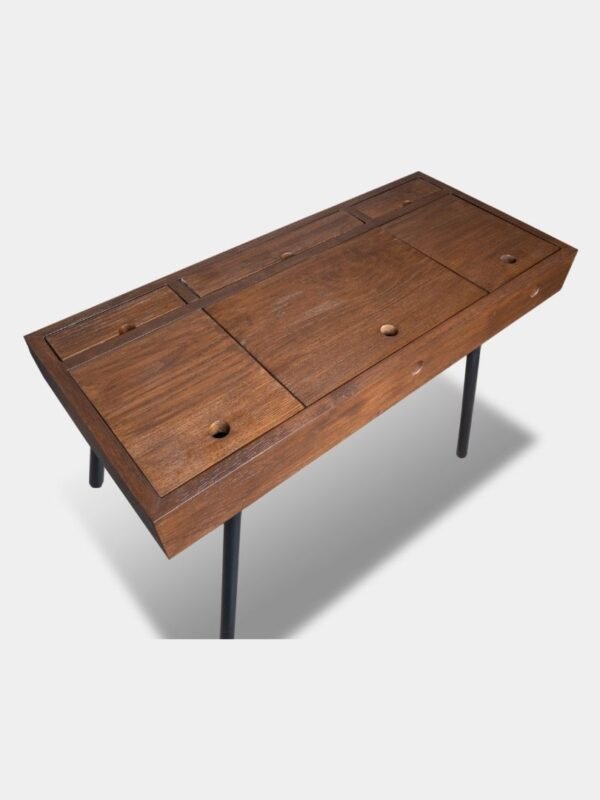
Your workspace directly affects focus and output more than most people realize, especially with remote and hybrid work becoming standard. Thoughtful furniture choices support sustained concentration throughout the workday.
Desk and Seating Essentials
Desk depth of at least 60cm for comfortable monitor distance
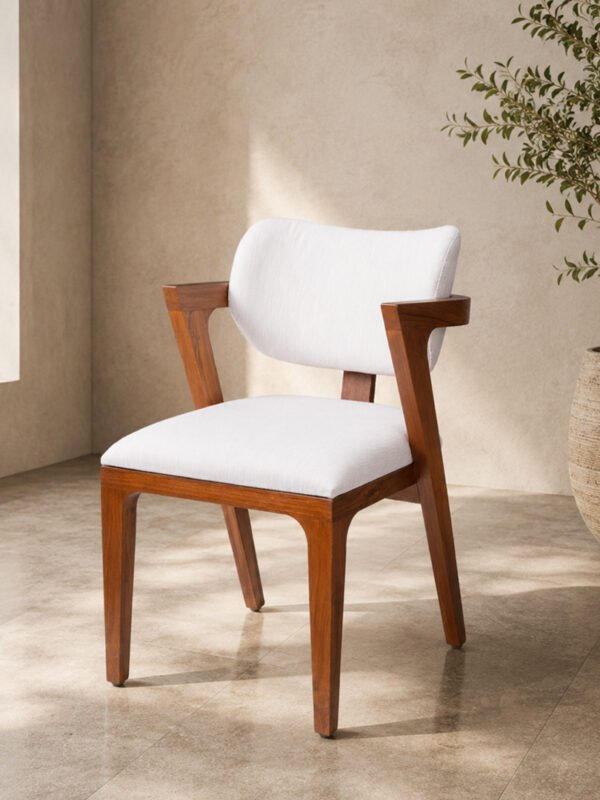
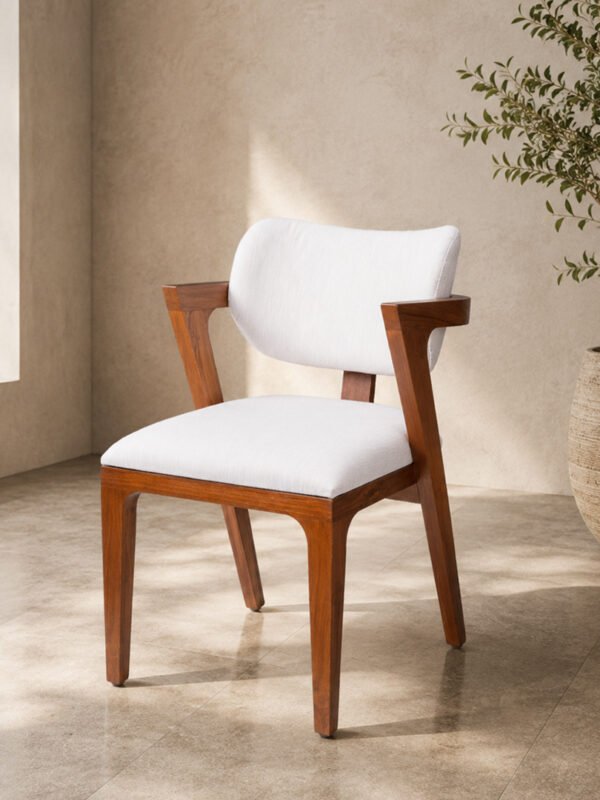
Chair with proper lumbar support matched to desk height
Adjustable or correctly-fixed desk height to avoid strain
Sufficient legroom underneath for comfortable extended sitting
Environmental Factors
Natural light positioned to the side, not directly behind your screen
Adequate task lighting for evening or low-light work sessions
Good ventilation to maintain focus during long work sessions
Noise considerations, especially for frequent video calls
Organization and Storage
Closed storage to keep visual clutter out of view
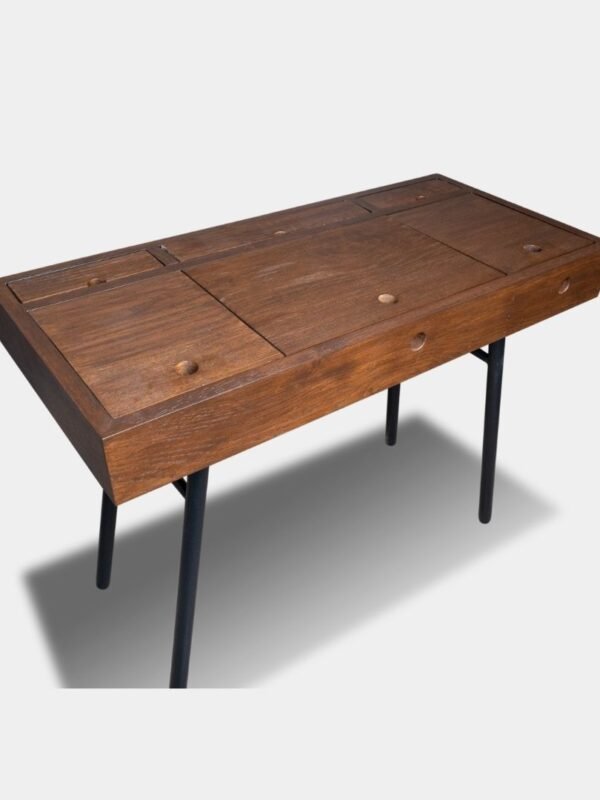
Cable management built into desk design for a tidy appearance
Dedicated space for frequently used reference materials
Filing solutions appropriate to your specific work type
A well-designed office isn’t about looking impressive on video calls — it’s about sustaining focus for eight hours daily, which requires genuine attention to ergonomics, lighting, and organization rather than just aesthetics.
Frequently Asked Questions
Q: What’s the ideal desk height for most people?
A: Around 73-75cm is standard, though adjustable-height desks accommodate individual needs and preferences better than a fixed standard height.
Q: Does desk material affect work comfort?
A: Indirectly — solid wood desks tend to be more stable and quieter than lightweight alternatives, reducing distracting wobble during typing or writing.
Q: How much desk space do I actually need?
A: For most tasks, a desk at least 120cm wide provides adequate space for a monitor, keyboard, and reference materials without feeling cramped.
Q: Should my home office chair match my desk aesthetically?
A: It helps for visual cohesion, but prioritize ergonomic function over matching aesthetics, since comfort significantly impacts daily productivity.
Q: What’s the biggest furniture mistake in home office design?
A: Prioritizing appearance over ergonomics, which often leads to physical discomfort and reduced productivity within just a few weeks of regular use.