Furniture finish affects both appearance and ongoing maintenance needs more significantly than many buyers initially realize. Understanding the practical trade-offs between common finish types helps you choose based on your actual lifestyle.
Matte Finishes
Understated, modern look that suits contemporary interiors
Hides fingerprints and minor scratches relatively well
Requires more frequent dusting since it shows dust more visibly
Generally provides a softer, more tactile surface feel
Glossy Finishes
Reflective, more formal appearance that suits traditional interiors
Shows scratches and fingerprints more visibly than matte options
Easier to wipe clean, making it practical for high-use surfaces
Provides strong protective qualities against moisture and stains
Natural or Oiled Finishes
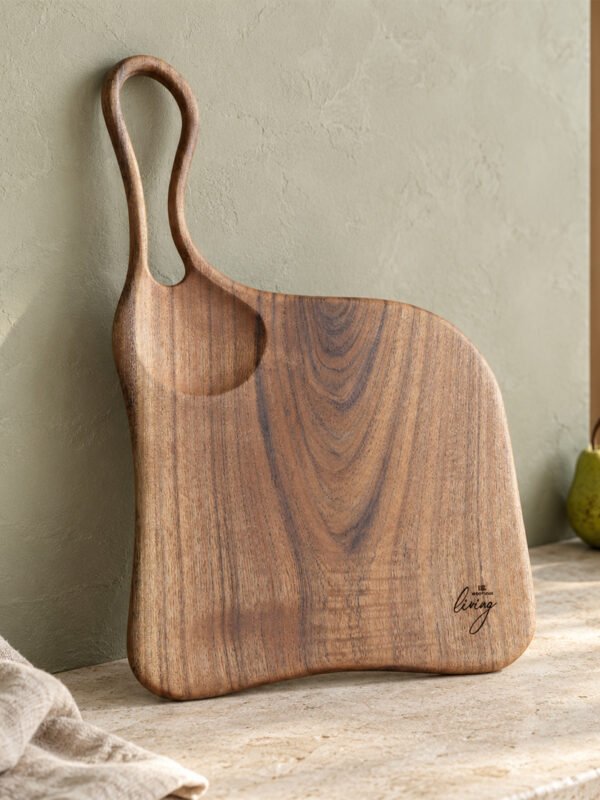
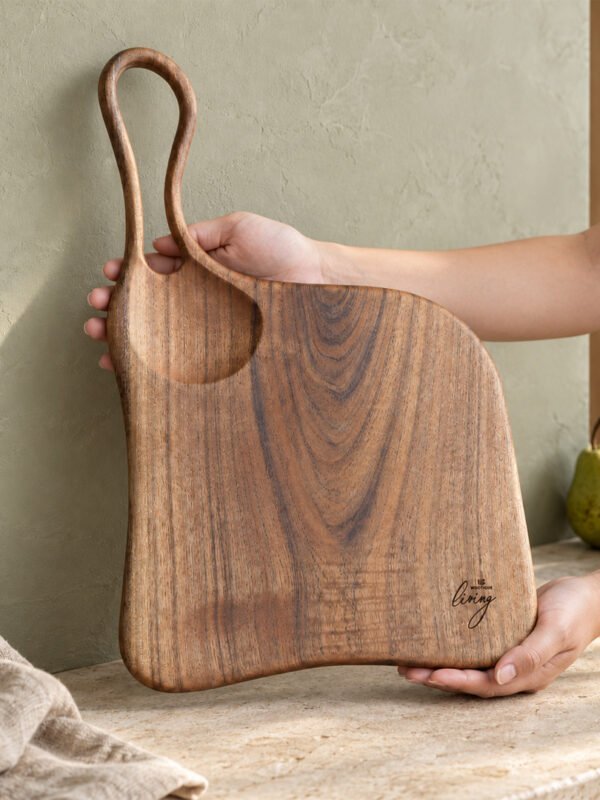
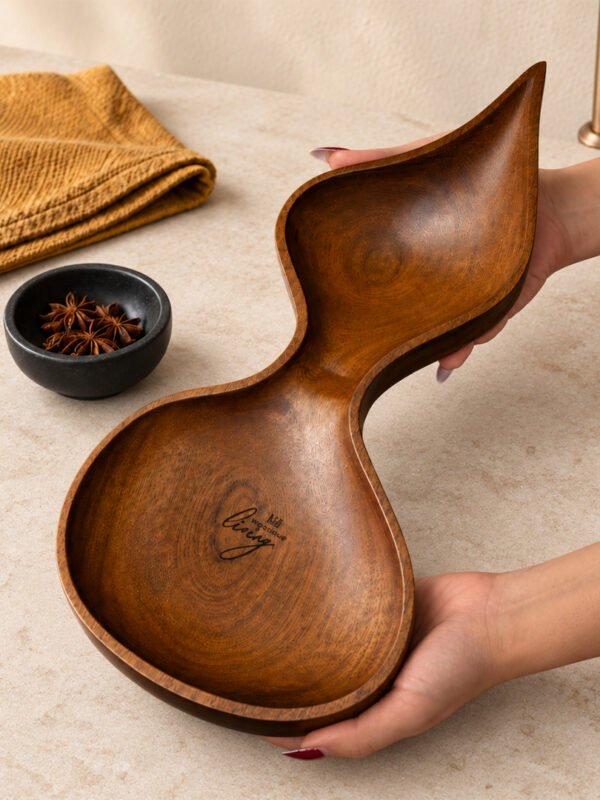
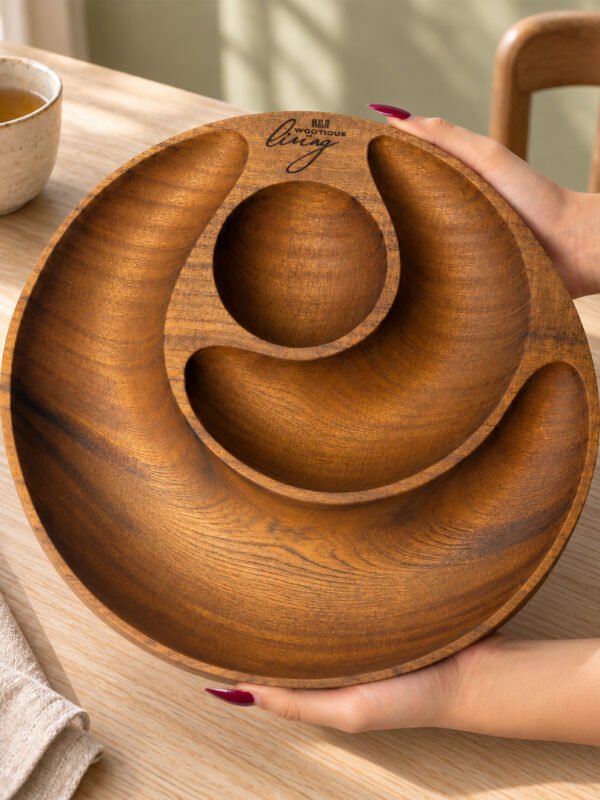
Shows genuine wood texture and grain most authentically
Requires periodic reapplication to maintain protection and appearance
Offers the most ‘authentic’ wood look and feel among the three options
Generally easier to spot-repair than heavily lacquered finishes
Choose your finish based on your maintenance tolerance as much as aesthetic preference, since the practical differences in upkeep can matter significantly for furniture you’ll live with daily for years.
Frequently Asked Questions
Q: Which finish is easiest to maintain day-to-day?
A: Glossy finishes are generally easiest to wipe clean quickly, though they show scratches and fingerprints more visibly than matte alternatives.
Q: Does finish type affect furniture durability significantly?
A: Yes, finishes protect wood from moisture and staining — unfinished or poorly finished wood is considerably more vulnerable to damage over time.
Q: Can I change a furniture piece’s finish after purchase?
A: Yes, refinishing can change a piece from glossy to matte or vice versa, though this typically requires sanding down the existing finish first.
Q: Which finish shows fingerprints the least?
A: Matte finishes generally hide fingerprints and smudges considerably better than glossy finishes, which tend to show every touch more visibly.
Q: Is natural oiled finish suitable for high-traffic furniture?
A: It can work well but requires more frequent maintenance and reapplication compared to glossy or matte lacquered finishes for genuinely high-traffic pieces.