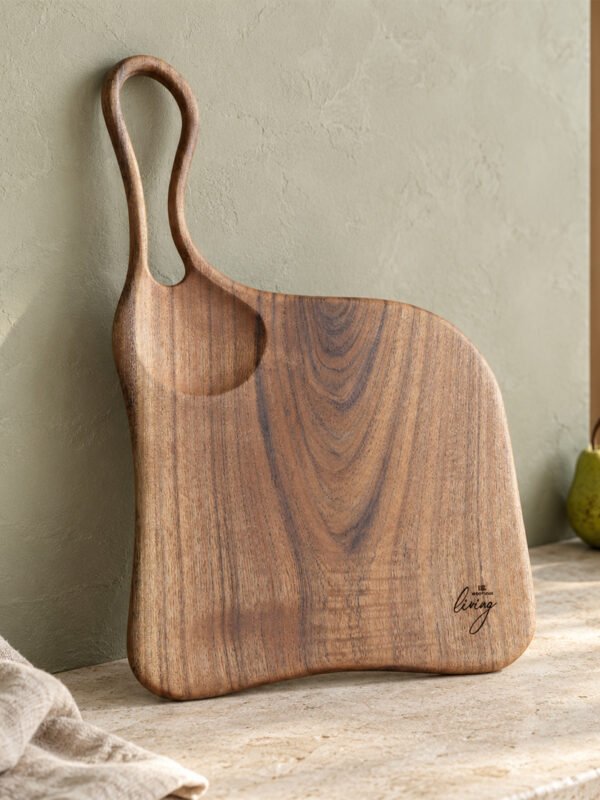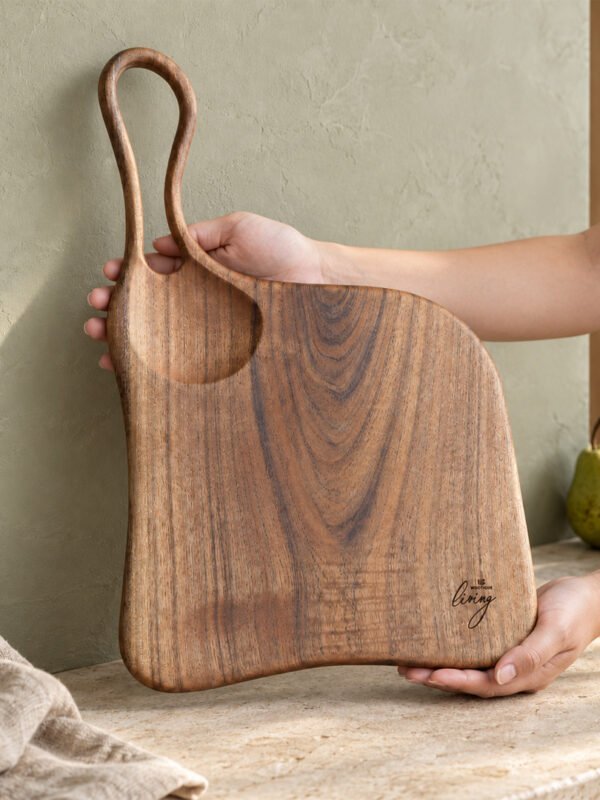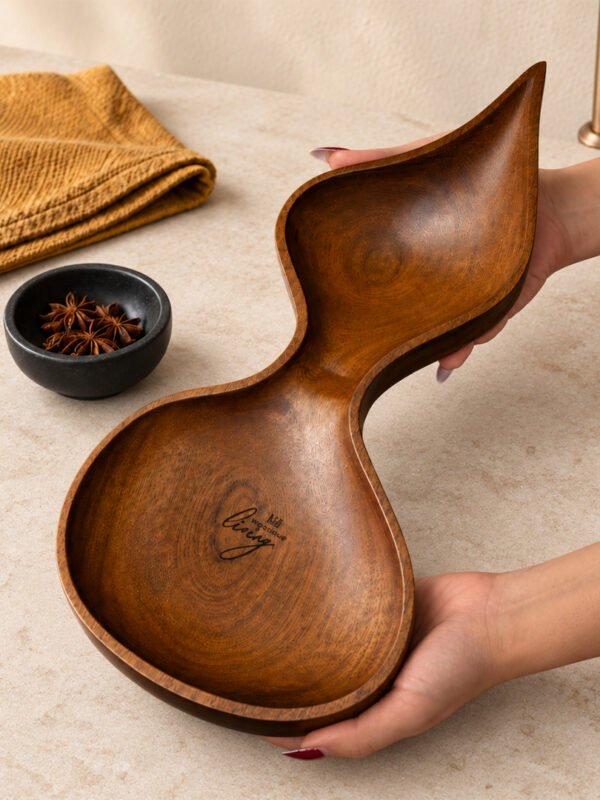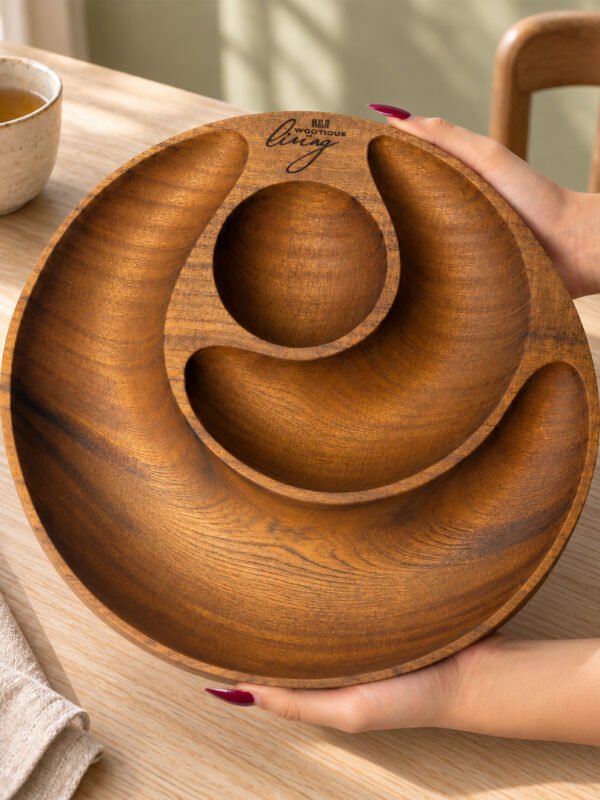
We're taught to fear aging—in ourselves, in our relationships, in our homes. Everything in consumer culture pushes toward newness, toward replacement, toward hiding the evidence of time. But there's another way to think about aging, one that solid wood furniture teaches us naturally: aging as accumulation of beauty, not loss of it.
What Aging Actually Looks Like in Wood
Solid wood furniture doesn't age the way plastic or particleboard does. It doesn't yellow uniformly or become brittle. Instead, it develops what furniture makers call patina—a deepening of color, a smoothing of edges from years of touch, a richness that only comes from time and use.
Run your hand over a fifty-year-old solid wood table and you'll feel something a five-year-old mass-produced piece simply cannot offer: the accumulated evidence of thousands of hands, thousands of meals, thousands of moments. This isn't decline. It's enrichment.
A Model for How We Think About Ourselves
There's something worth learning here about how we relate to our own aging, and the aging of the people we love. Wrinkles as evidence of decades of laughter and worry and love, rather than flaws to correct. Grey hair as accumulated wisdom rather than something to hide. Wear as evidence of a life fully lived.
Furniture that ages beautifully, kept in our homes for decades, offers a quiet daily reminder of this alternative model—one where time adds rather than subtracts.
The Bedroom as the Site of This Witnessing
The bedroom, more than any other room, is where this aging happens most intimately. It's where you begin and end each day, where your body rests against the same materials for thousands of nights across the years. A bed frame or dresser that's aged alongside you has witnessed more of your actual life than almost anything else you own.
Choosing Pieces That Will Age Well
Not everything ages beautifully. Choosing furniture that will develop good patina, rather than simply deteriorating, requires attention to material and construction. Solid wood, properly finished with oil or wax rather than heavy synthetic lacquers, allows the wood to breathe and develop character over years. Quality joinery ensures the piece remains structurally sound even as it shows the marks of use.
Living With the Marks of Time
Resist the urge to refinish away every mark. Some marks tell stories worth keeping—the scratch from moving in together, the small dent from a toy dropped during a child's early years, the worn spot where you always rest your hand. These marks are your life, recorded in wood.
Choose furniture that will age with you, that will hold the marks of your years, that will teach you—every day, quietly—that time adds beauty rather than only taking it away.