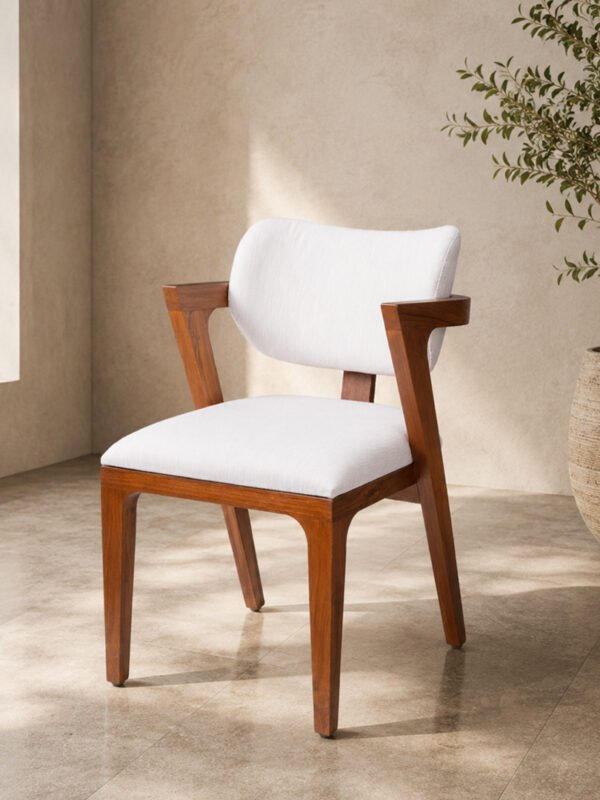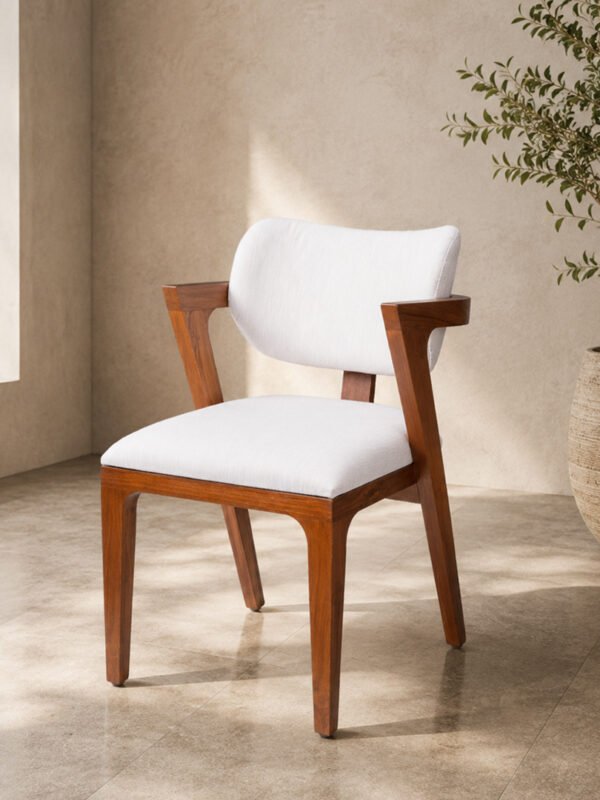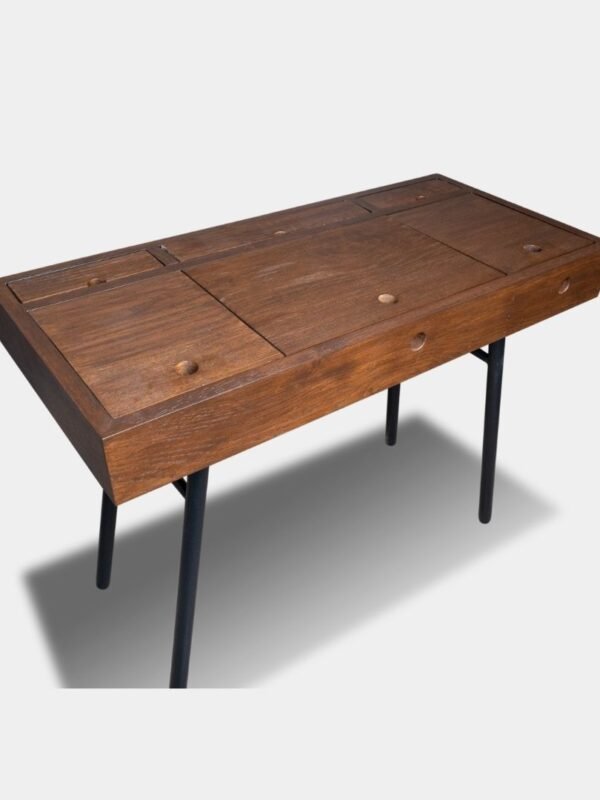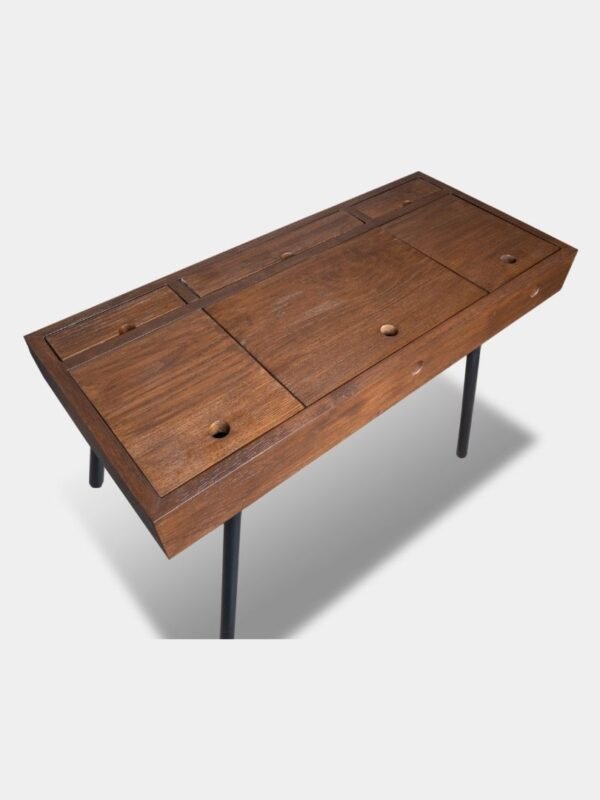
Behind every piece of genuinely handcrafted furniture lies a philosophy—a set of values and intentions that shape not just the final object, but the entire process of its creation. Understanding this philosophy illuminates why handcrafted furniture feels genuinely different from mass-produced alternatives.
Intention at Every Step
Mass production optimizes for efficiency and consistency at scale—necessary considerations for meeting broad market demand, but ones that inherently limit the individual attention any single piece receives. Handcraft, by contrast, allows genuine intention at every step: wood selection based on the specific piece's needs, joinery techniques chosen for both function and beauty, finishing decisions made based on that particular piece's character.
The Maker's Knowledge
Skilled furniture makers accumulate years, often decades, of embodied knowledge—understanding how different woods respond to various techniques, how joinery choices affect long-term durability, how finishing decisions will age over years of use. This knowledge, applied individually to each piece, represents genuine expertise that mass production's standardized processes cannot replicate.
Slowness as Value
Handcraft inherently requires more time than industrial manufacturing—a slowness that mass production treats as inefficiency to eliminate, but that handcraft philosophy treats as necessary for genuine quality and appropriate attention to each piece's particular character and needs.
Connection Between Maker and Object
There's a genuine relationship that develops between a skilled maker and the piece they're creating—an attentiveness that shapes countless small decisions throughout the creation process in ways that remain largely invisible in the finished piece, yet contribute to its overall quality and character.
What This Means for You
When you choose handcrafted furniture, you're not simply purchasing an object—you're participating in this philosophy of intention, skill, and appropriate time investment. The piece in your home carries this philosophy forward, embodying values that extend beyond mere function into genuine care and consideration.
Living the Philosophy Forward
Understanding handcraft as philosophy, rather than simply a manufacturing method, changes how you might relate to the furniture in your home—appreciating not just the finished object, but the intention, skill, and care embedded in its creation, and extending that same appreciation through how you use and maintain these pieces across years of your own life.