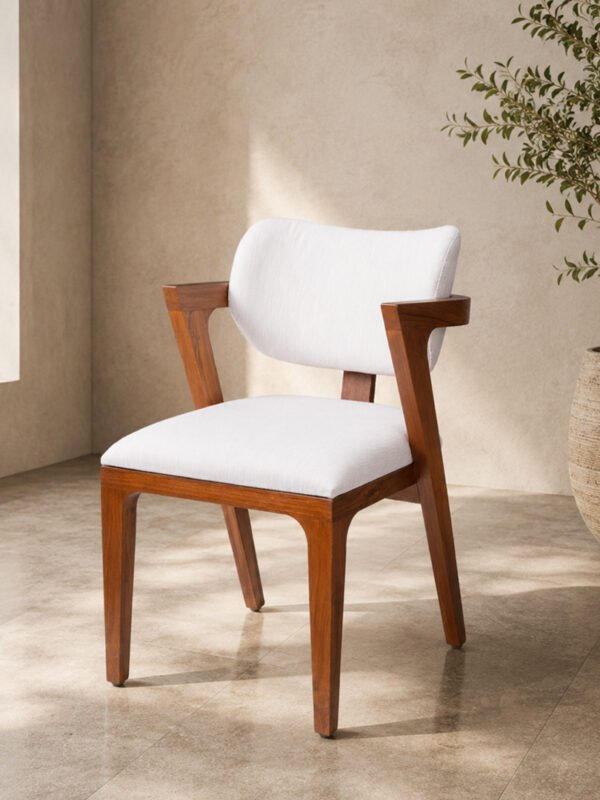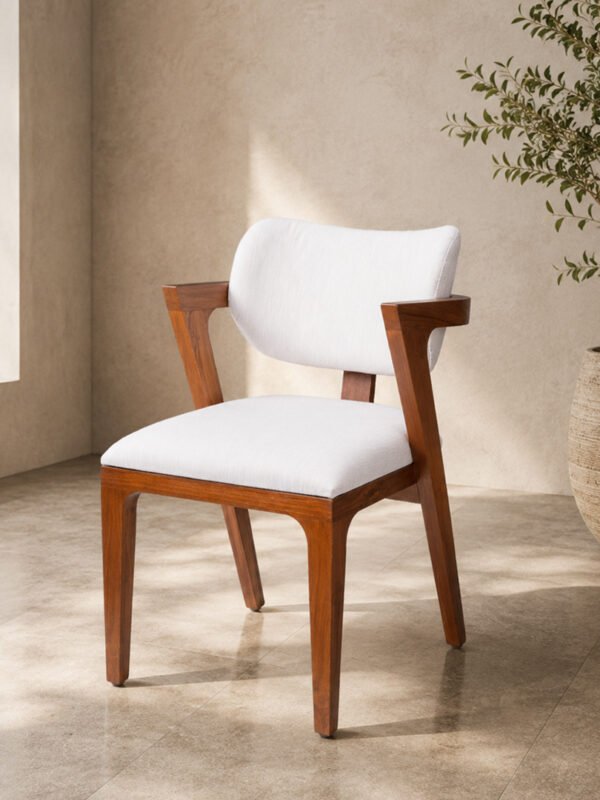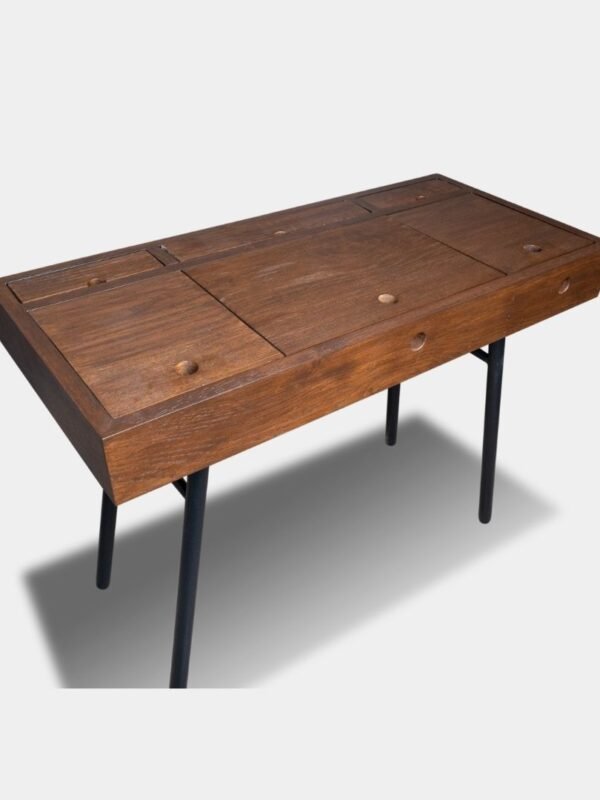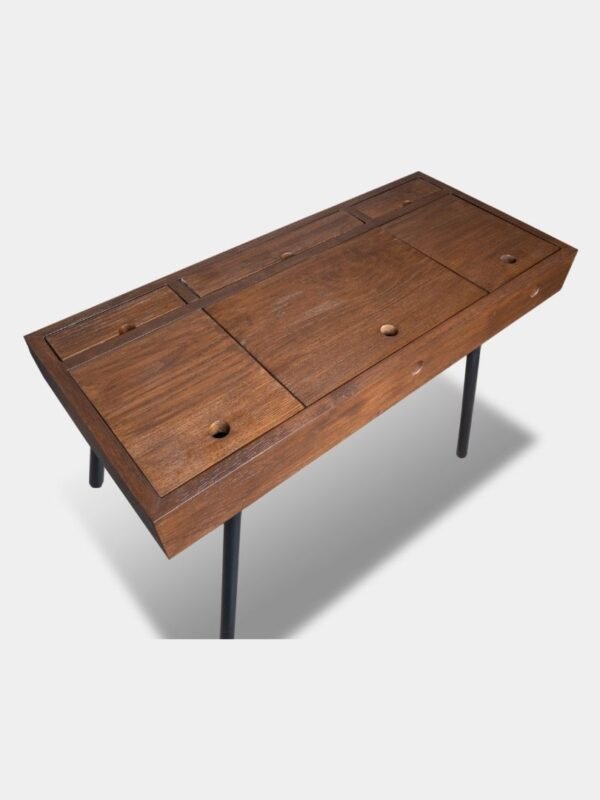
Design trends cycle with predictable regularity—each decade bringing new colors, proportions, and styles declared essential, only to feel dated within a few years as the next trend emerges. Building a home around trend-following furniture commits to a cycle of periodic replacement and dissatisfaction.
The Trap of Trend-Driven Design
Furniture chosen primarily to match current design trends carries an inherent expiration date—not from physical deterioration, but from aesthetic obsolescence as trends shift. This creates a cycle where seemingly reasonable furniture purchases require replacement not from wear, but from feeling dated.
What Makes Design Timeless
Timeless furniture design tends to share certain qualities: proportions based on genuine human ergonomic needs rather than passing aesthetic preference, materials chosen for authentic
quality rather than trend-driven finishes, construction techniques proven across decades or centuries rather than optimized for current manufacturing trends.
Classic Proportion as Foundation
Furniture proportioned according to classical principles—appropriate scale relationships, genuine ergonomic consideration—tends to remain visually satisfying regardless of shifting color trends or stylistic preferences layered around it.
Natural Materials Resist Dating
Solid wood, chosen and finished to showcase its natural character rather than following trend-driven treatments, tends to age gracefully rather than appearing dated. Compare this to trend-specific synthetic materials or finishes that quickly signal a particular decade's aesthetic preferences.
Building a Timeless Foundation
Consider building your home's furniture foundation around genuinely timeless pieces—quality solid wood furniture with classic proportion and construction—then layering current style preferences through easily changed elements like textiles, art, and accessories that can evolve without requiring furniture replacement.
The Economics of Timelessness
Beyond aesthetic benefits, timeless furniture offers genuine economic advantage—avoiding the periodic replacement costs that trend-following furniture eventually requires, while often maintaining or even increasing value as quality pieces age.
Choose timelessness over trend. Build a home that won't require periodic aesthetic obsolescence-driven replacement, but instead ages gracefully alongside your own life.