Minimalism continues to dominate Indian interiors, but current interpretations lean toward warmer, more natural touches rather than stark simplicity. Understanding this year’s direction helps guide thoughtful furniture choices.
Current Minimalist Trends
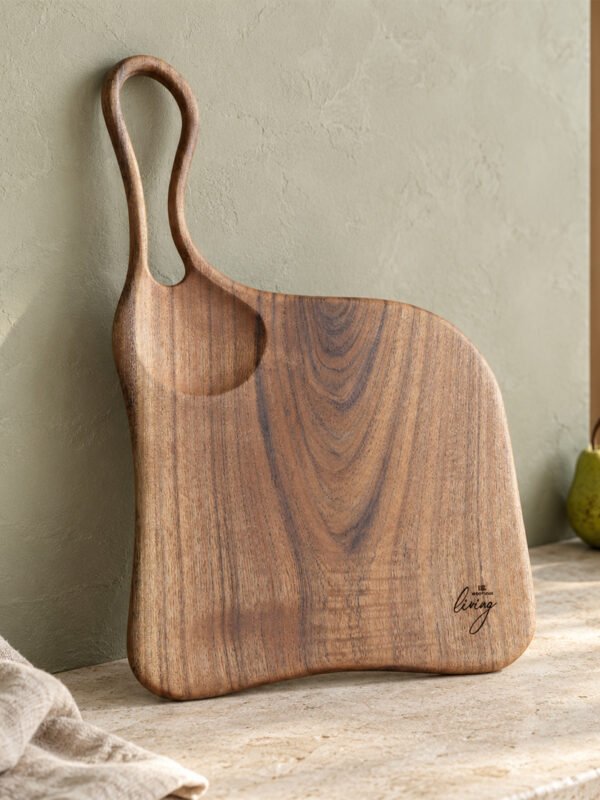
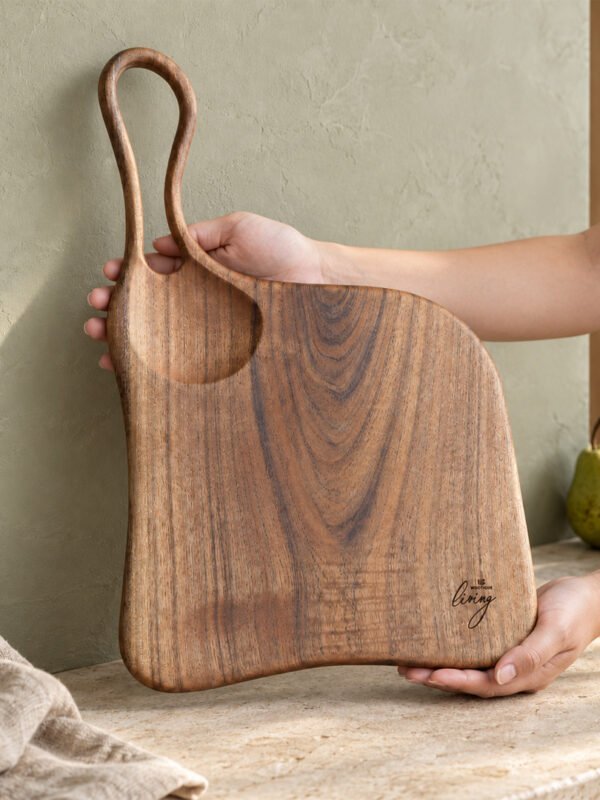
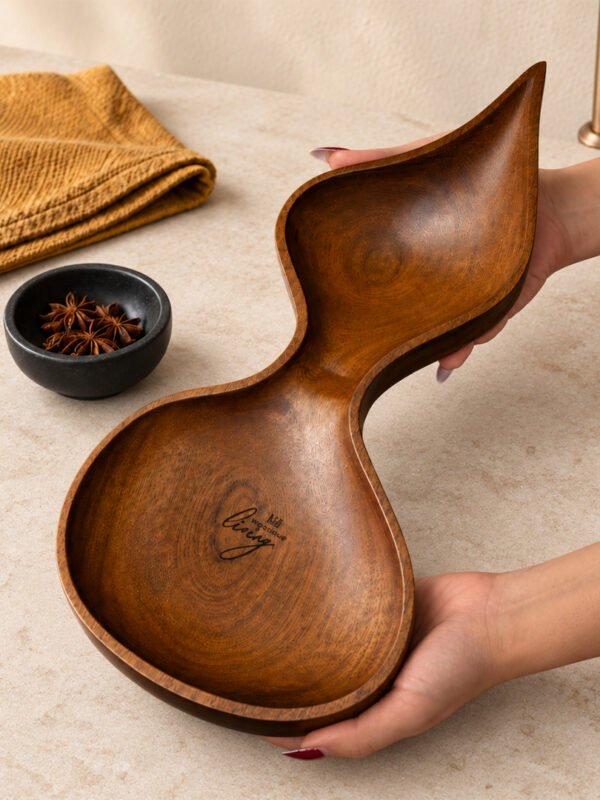
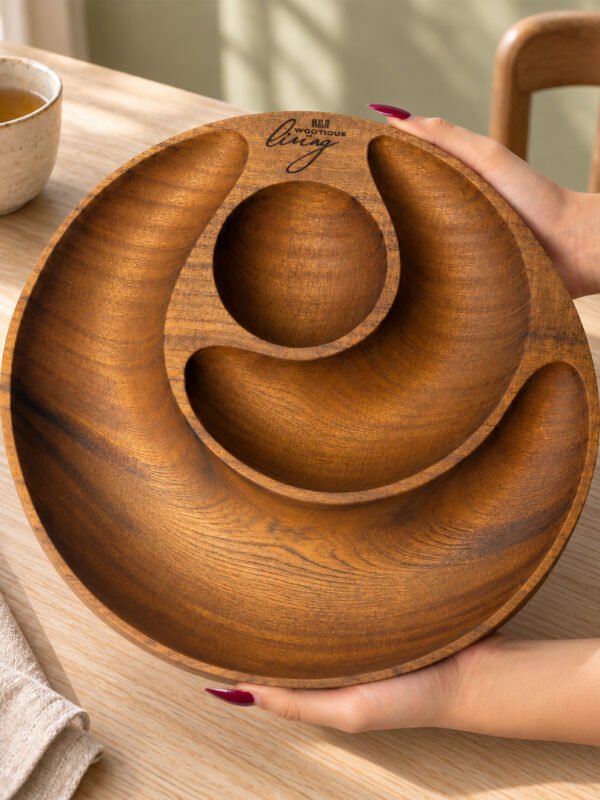
Natural wood grain left exposed rather than painted or heavily lacquered
Rounded edges increasingly replacing sharp, angular designs
Multi-functional pieces like storage beds and extendable tables
Muted, earthy upholstery tones instead of stark black or white
The Shift Toward ‘Quiet Luxury’
Quality materials shown simply, without excessive ornamentation
Fewer, more intentional statement pieces over cluttered arrangements
Emphasis on craftsmanship visible through subtle detailing
Neutral color palettes that let material quality speak for itself
Applying Minimalism Practically
Choose fewer, higher-quality pieces over many budget items
Let one or two furniture pieces serve as genuine focal points
Maintain visual breathing room rather than filling every space
Balance minimalism with genuine functionality for daily life
The shift is toward ‘quiet luxury’ — quality materials shown simply, without excessive ornamentation, reflecting a broader move toward furniture that feels considered rather than merely trendy.
Frequently Asked Questions
Q: Is minimalist furniture more expensive than traditional styles?
A: Not necessarily — simpler designs can actually cost less in labor, though material quality still significantly drives overall price.
Q: Does minimalist design work well in small Indian homes?
A: Very well — fewer, thoughtfully chosen pieces make small spaces feel considerably larger, calmer, and easier to maintain.
Q: What wood tones suit minimalist interiors best?
A: Natural, unpainted wood tones that showcase genuine grain patterns generally suit minimalist interiors better than heavily stained or painted finishes.
Q: Can minimalist furniture still feel warm and inviting?
A: Yes, especially when incorporating natural wood textures, soft textiles, and thoughtful lighting rather than relying purely on stark, cold aesthetics.
Q: How many furniture pieces should a minimalist living room have?
A: There’s no fixed number, but the guiding principle is including only pieces that serve genuine function or meaningful aesthetic purpose.