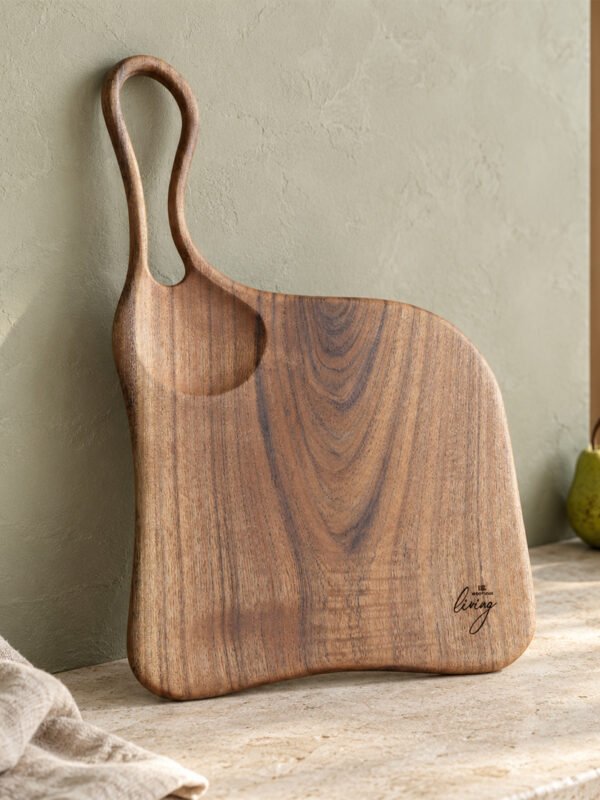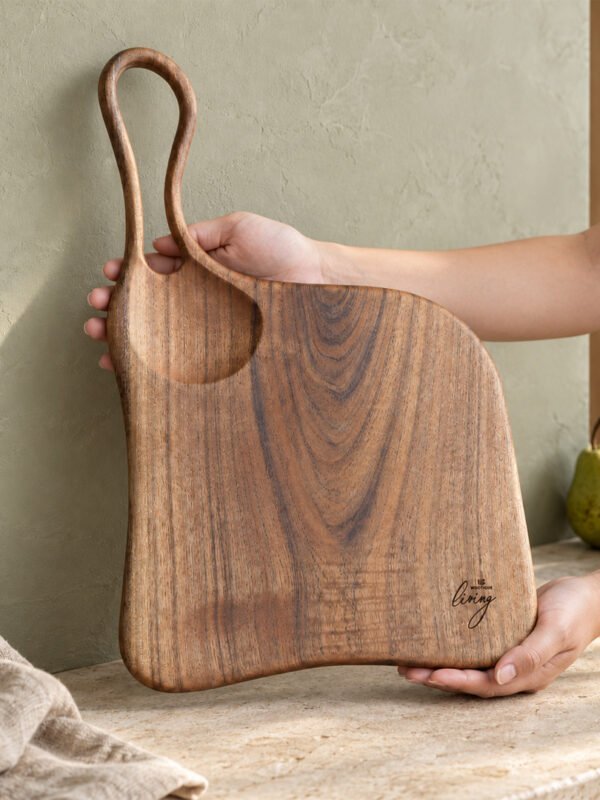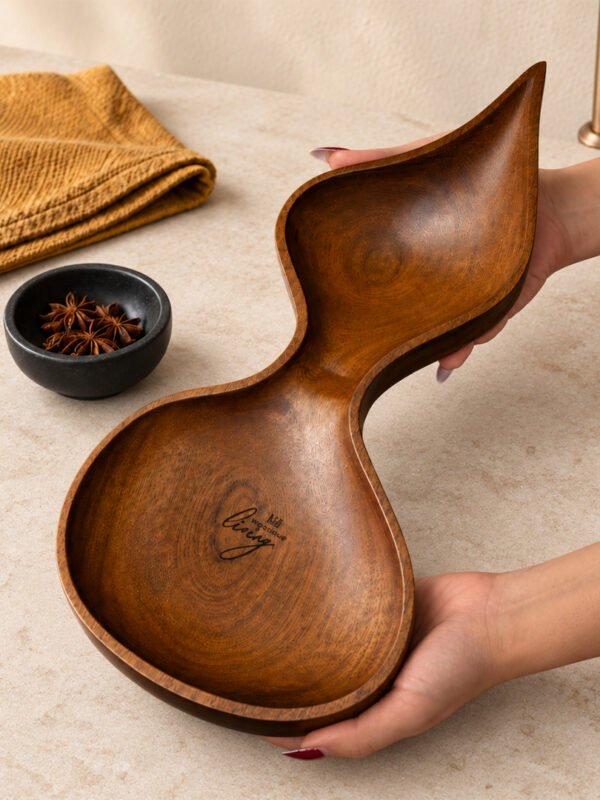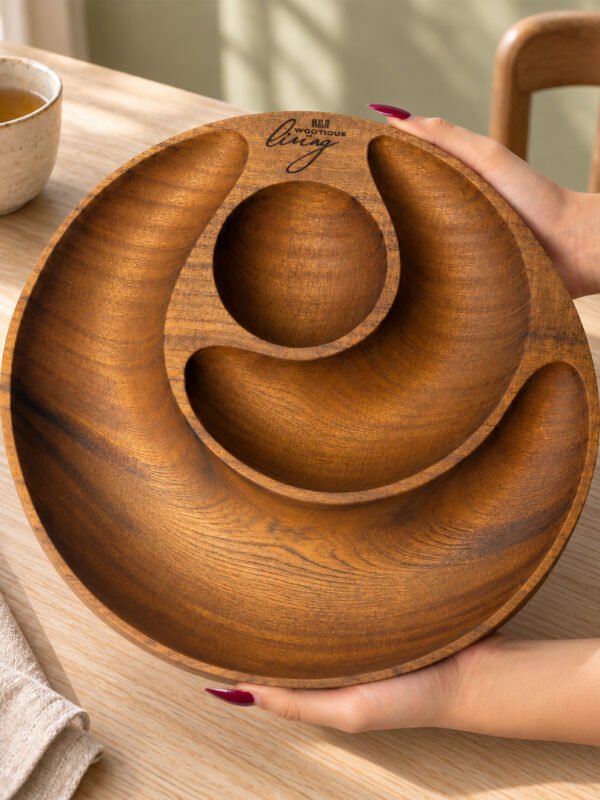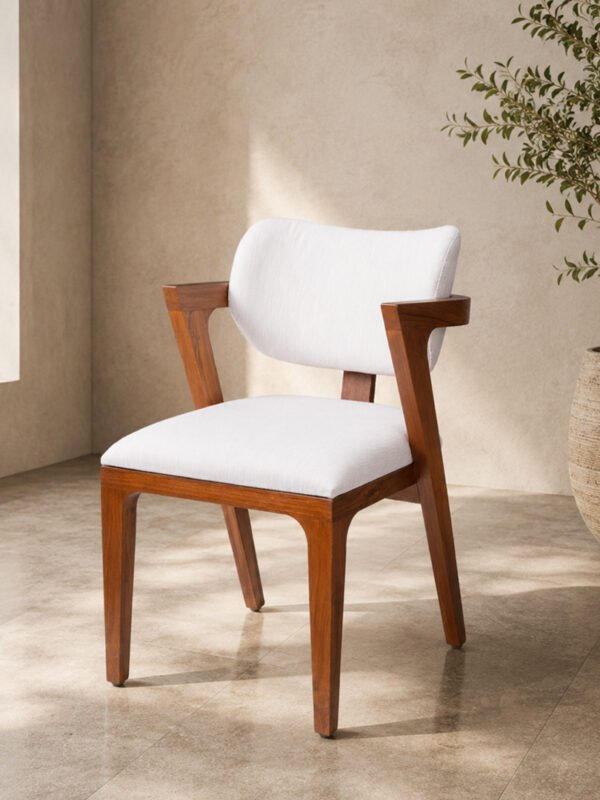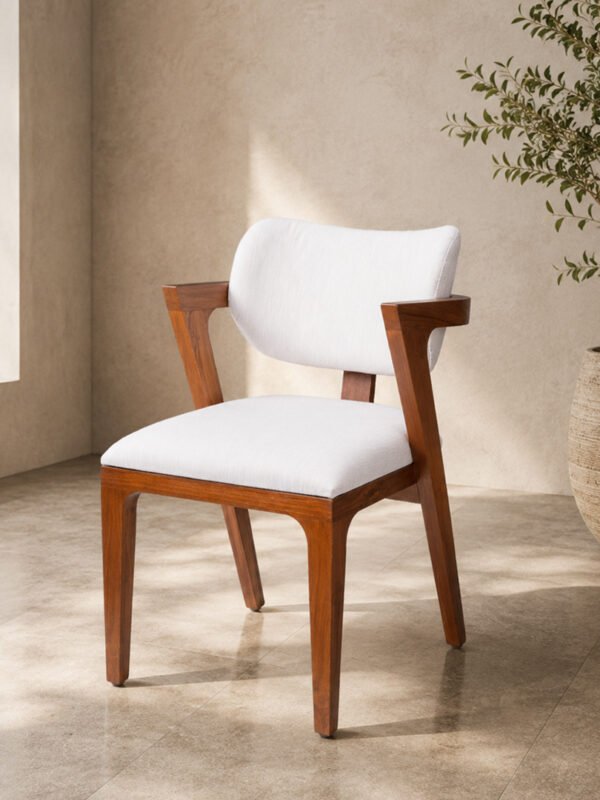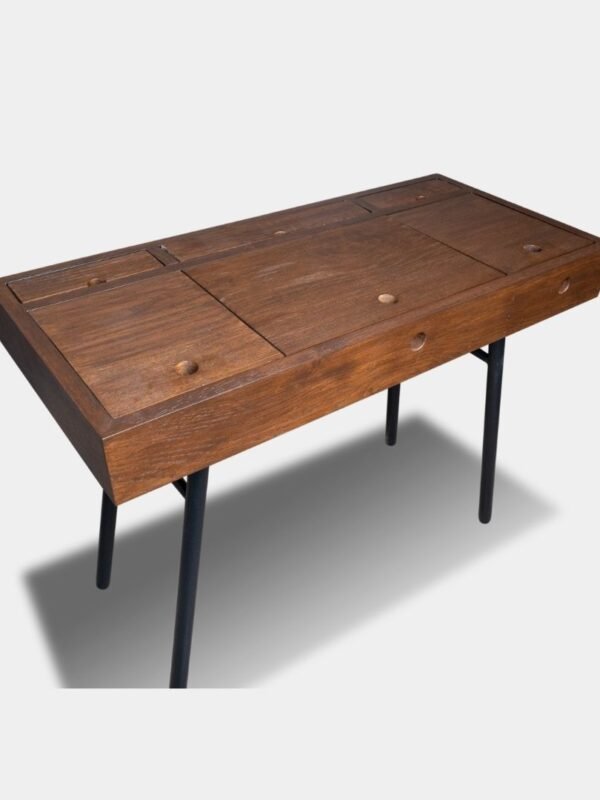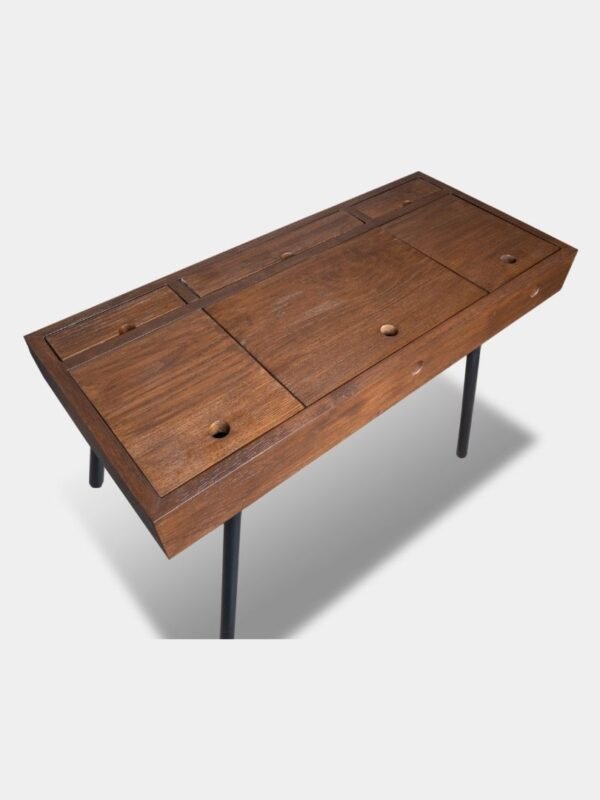
Mixing wood tones, when done thoughtfully, adds meaningful depth to a room instead of creating visual clutter or clashing. A few practical rules make this approach considerably easier to execute well.
Foundational Mixing Rules
Pick one dominant tone representing roughly 60% of the wood in the room
Add 1-2 accent tones for visual interest and depth
Keep undertones consistent — avoid randomly mixing warm and cool tones
Use a neutral element like a rug or wall color to visually bridge different woods
Practical Application by Furniture Type
Start with flooring as your dominant tone reference point
Layer in large furniture pieces next, considering flooring compatibility
Add smaller accent pieces and decor in complementary tones last
Vary the type of furniture using different tones to avoid direct comparison
Common Mistakes to Avoid
Matching every wood piece exactly, which often looks flat and showroom-like
Mixing too many different tones, creating visual chaos
Ignoring undertone differences between warm and cool-toned woods
Forgetting to consider how lighting affects perceived wood tone
Avoid matching every wood piece exactly — a room with only one tone often looks flat and showroom-like rather than lived-in, while thoughtfully mixed tones create the layered depth that makes a space feel genuinely designed.
Frequently Asked Questions
Q: Can I mix teak and walnut in the same room?
A: Yes, as long as undertones are complementary — both share warm brown tones that generally blend together quite well in the same space.
Q: How many wood tones is too many in one room?
A: Generally, sticking to 2-3 tones maximum helps avoid visual chaos while still achieving meaningful depth and interest.
Q: Does lighting affect how mixed wood tones look?
A: Yes significantly — natural daylight, warm indoor lighting, and cool LED lighting can all make the same wood tones appear quite different.
Q: Should flooring and furniture wood tones always match?
A: Not necessarily match exactly, but they should generally complement each other rather than clash in undertone or intensity.
Q: Is mixing wood tones a passing trend or a lasting design principle?
A: It’s considered a lasting design principle rather than a passing trend, since thoughtfully layered spaces tend to feel more timeless than uniformly matched ones.