Coastal cities present furniture challenges beyond general humidity concerns, involving unique factors that inland regions rarely face. Understanding these specific issues helps you choose furniture that genuinely lasts.
Unique Coastal Climate Factors
Salt air accelerates corrosion of standard metal hardware significantly
High humidity causes wood swelling and drawer sticking more frequently
Direct sea breeze can accelerate finish deterioration over time
Monsoon intensity is often notably higher near coastlines
Material Solutions for Coastal Conditions
Stainless steel or brass hardware resists salt air corrosion effectively
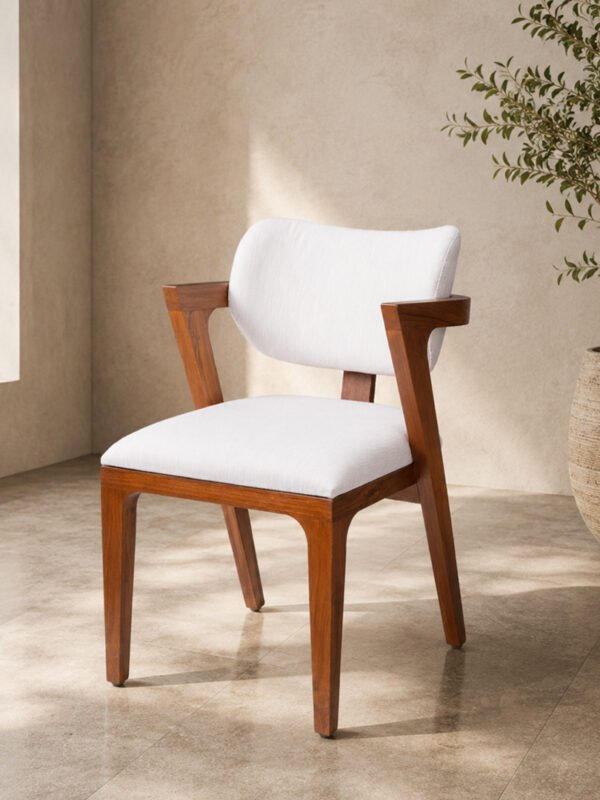
Teak or well-sealed hardwoods handle moisture considerably better
Protective finishes require more frequent reapplication than inland homes
Enhanced sealing on joints and edges provides additional protection
Maintenance Adjustments for Coastal Living
More frequent hardware inspection for early signs of rust or corrosion
Additional wipe-downs to remove salt residue that can settle on surfaces
Slightly more frequent refinishing schedule compared to inland regions
Attention to ventilation and airflow to reduce ambient humidity indoors
Coastal living doesn’t mean sacrificing quality furniture — it just means choosing materials deliberately and adjusting maintenance routines to account for the unique combination of humidity and salt exposure.
Frequently Asked Questions
Q: Why does furniture hardware rust faster near the coast?
A: Salt air accelerates oxidation on standard metal hardware significantly, making rust-resistant options like stainless steel or brass genuinely essential in coastal areas.
Q: Is teak necessary for all coastal furniture pieces?
A: It’s strongly recommended for moisture-heavy pieces and outdoor furniture, though well-sealed alternatives can work adequately for lower-exposure indoor items.
Q: How often should coastal furniture be inspected for damage?
A: Every 3-6 months is a reasonable interval for checking hardware, joints, and finish condition given the more demanding coastal climate conditions.
Q: Does coastal furniture need different cleaning products?
A: Mild, non-abrasive cleaners work best generally, though wiping down surfaces more frequently to remove salt residue is particularly important near the coast.
Q: Can inland furniture be adapted for coastal use?
A: It’s generally better to choose coastal-appropriate materials from the start, since retrofitting furniture not designed for humidity and salt exposure has real limitations.