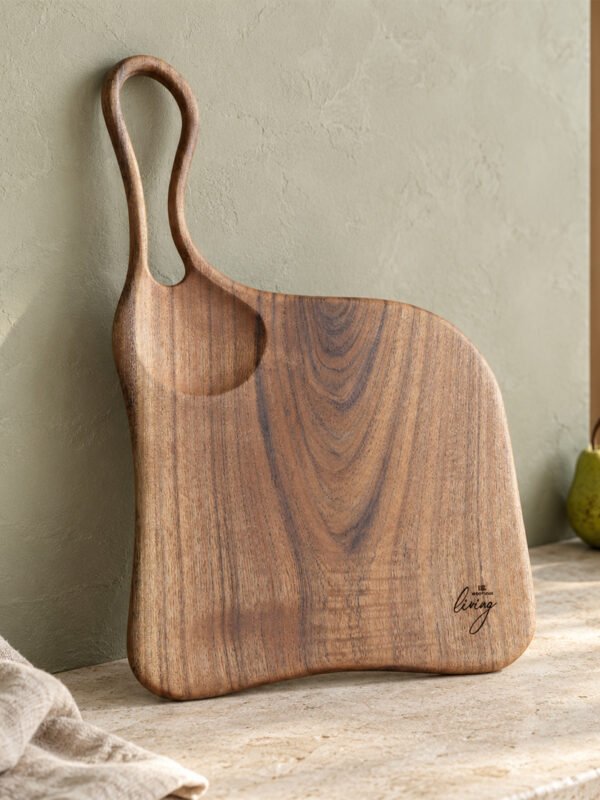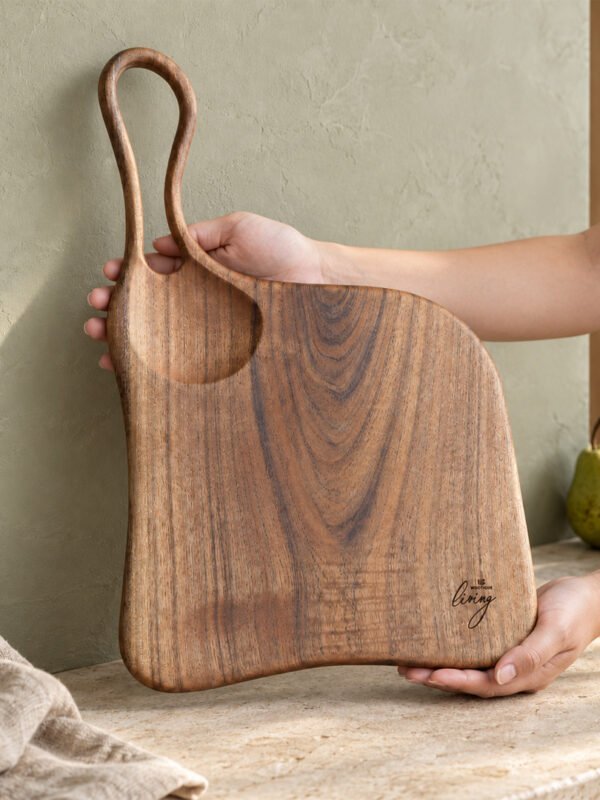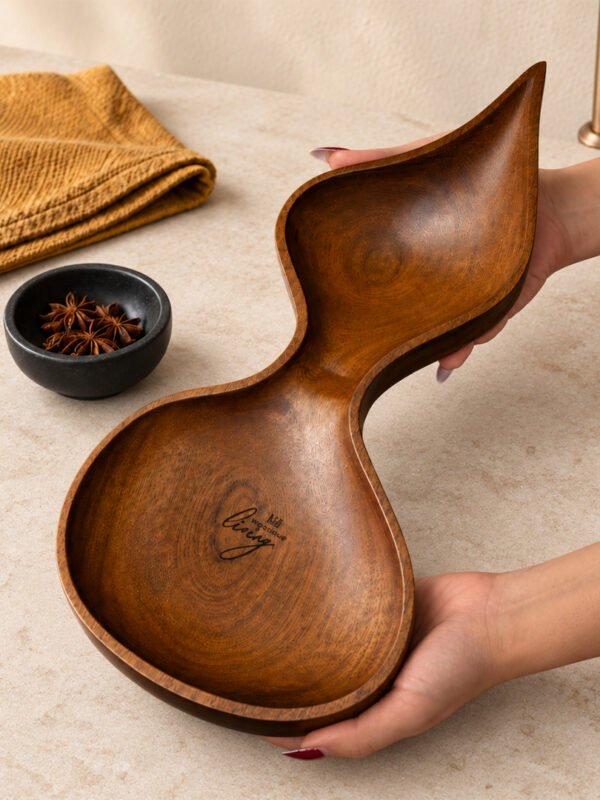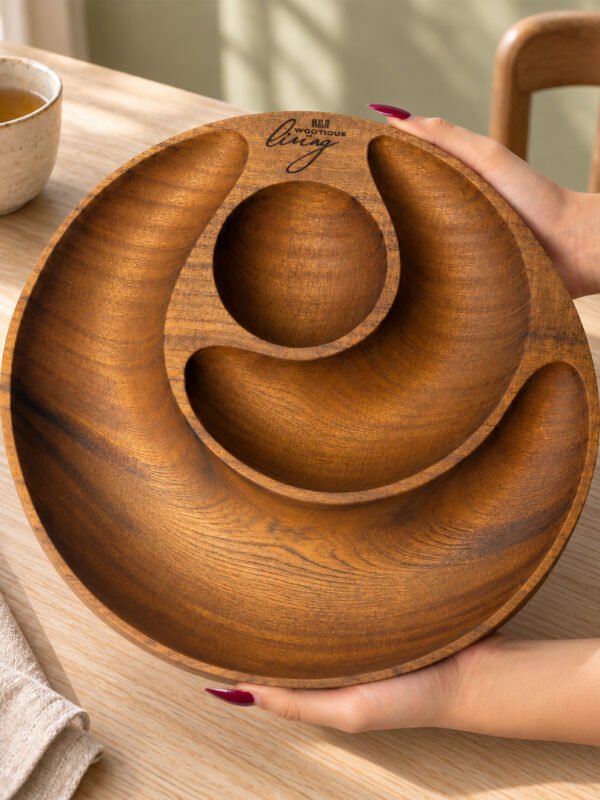
Thoughtful lighting design genuinely enhances how wooden furniture's grain, tone, and craftsmanship are perceived within a room. Understanding a few lighting principles helps you showcase your furniture investment effectively.
How Lighting Affects Wood Appearance
- Warm-toned lighting generally enhances the richness of wood tones
- Cool lighting can make wood appear somewhat flatter or less inviting
- Direct spotlighting can highlight grain texture and craftsmanship details
- Ambient lighting establishes the overall mood complementing the furniture
Layering Light for Best Effect
- Combining ambient, task, and accent lighting creates depth and dimension
- Table and floor lamps add warm pools of light that flatter wood tones
- Under-cabinet or shelf lighting can highlight specific furniture features
- Dimmable options allow flexibility for different times and moods
Placement Considerations
- Positioning lights to avoid harsh shadows across furniture surfaces
- Considering how natural light throughout the day interacts with wood tones
- Avoiding lighting that creates excessive glare on glossy furniture finishes
- Balancing overall room lighting with focused furniture accent lighting
Investing similar thoughtfulness in your lighting design as you did in choosing your furniture ensures those pieces are genuinely showcased rather than left in flat, unflattering illumination.
Frequently Asked Questions
Q: What light color temperature works best with wood furniture?
A: Warm white lighting, typically in the 2700-3000K range, generally enhances wood tones better than cooler, bluer light temperatures.
Q: Should I use accent lighting specifically for statement furniture pieces?
A: Yes, dedicated accent lighting can beautifully highlight a statement piece like a live-edge table or carved detail, drawing appropriate attention to the craftsmanship.
Q: Does natural light affect how wood furniture looks throughout the day?
A: Yes, wood tones can appear noticeably different under morning versus evening natural light, which is worth considering when placing furniture near windows.
Q: Can poor lighting make quality wood furniture look less impressive?
A: Yes, harsh or overly cool lighting can genuinely diminish how rich and inviting quality wood furniture appears, even when the piece itself is excellent.
Q: What lighting works best for a dining table with wood furniture?
A: A warm-toned pendant light positioned above the table, combined with dimmable capability, typically complements wood dining furniture particularly well.