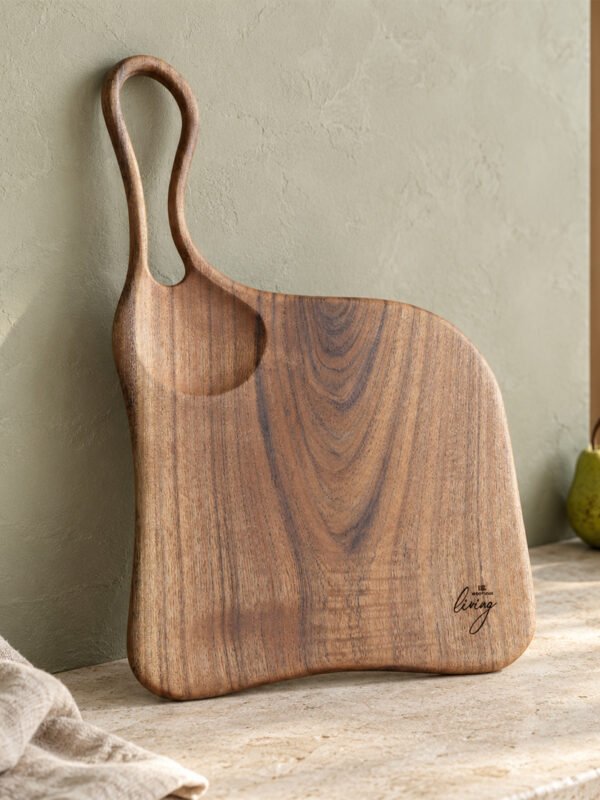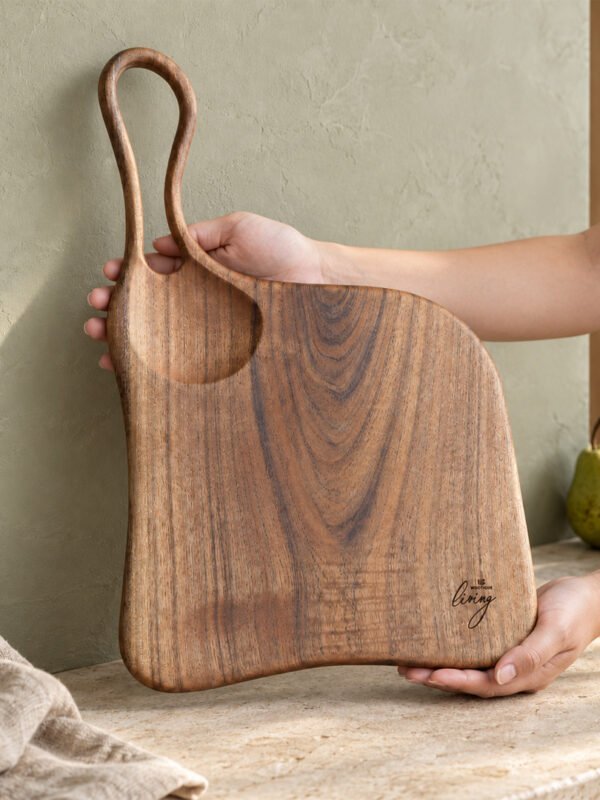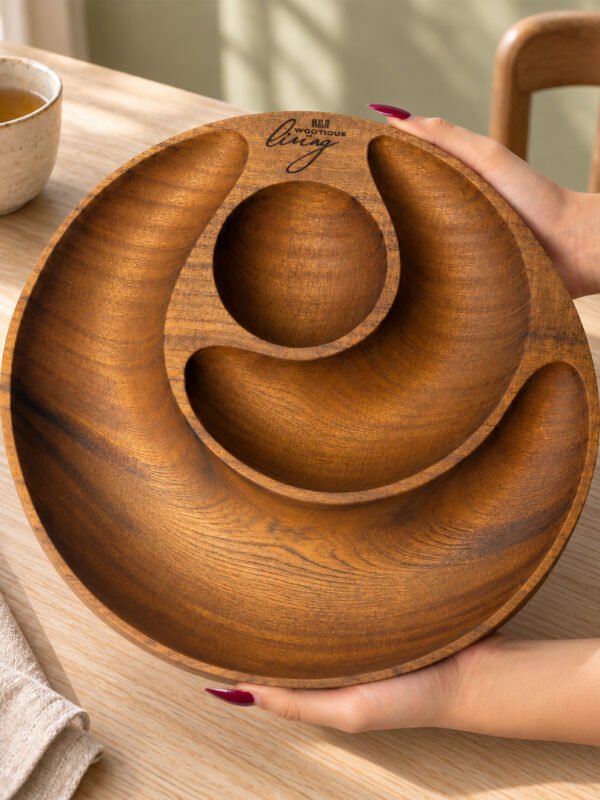
Not everything labeled ‘wood’ is built to last, and showroom lighting can make it hard to spot quality issues. A few quick checks can save you from a disappointing purchase.
Visual and Physical Red Flags
Extremely light weight for its size, often signaling a hollow or particleboard core
Perfectly uniform grain patterns, which often indicate printed veneer rather than real wood
Visible staples or pocket screws instead of proper joinery
Strong chemical smell from poor-quality adhesives or finishes
Wobbly joints or uneven legs straight out of the box
Simple Tests You Can Do In-Store
The knock test — solid wood sounds dense, engineered wood sounds hollow
Check drawer corners for dovetail or finger joints versus staples
Open and close drawers to feel for smooth, controlled movement
Examine undersides and edges where veneer often reveals a different material beneath
Questions to Ask the Seller
What wood species is actually used, and is it solid or engineered?
What joinery method is used at stress points?
What finish was applied, and how should it be maintained?
Does the piece come with a warranty covering structural issues?
A few minutes of careful inspection before buying can save years of disappointment. When in doubt, ask direct questions — reputable makers will answer specifically rather than deflecting.
Frequently Asked Questions
Q: How can I tell real wood from veneer?
A: Check the edges and undersides of furniture — veneer often reveals a different, less attractive material underneath, while solid wood grain continues consistently throughout.
Q: Is heavier furniture always better quality?
A: Usually yes for wood furniture, since solid wood is naturally denser than particleboard or MDF, though weight alone isn’t a complete quality indicator.
Q: Why does furniture sometimes smell strongly of chemicals?
A: This usually indicates low-quality adhesives or finishes that haven’t been properly cured, which can also signal poor overall craftsmanship.
Q: Can low-quality furniture be improved after purchase?
A: Some cosmetic issues can be improved, but structural problems like poor joinery generally cannot be fixed without significant rebuilding.
Q: Should I trust furniture that looks perfect with no grain variation?
A: Be cautious — real solid wood naturally has some grain variation, so overly uniform patterns often indicate printed veneer or laminate.