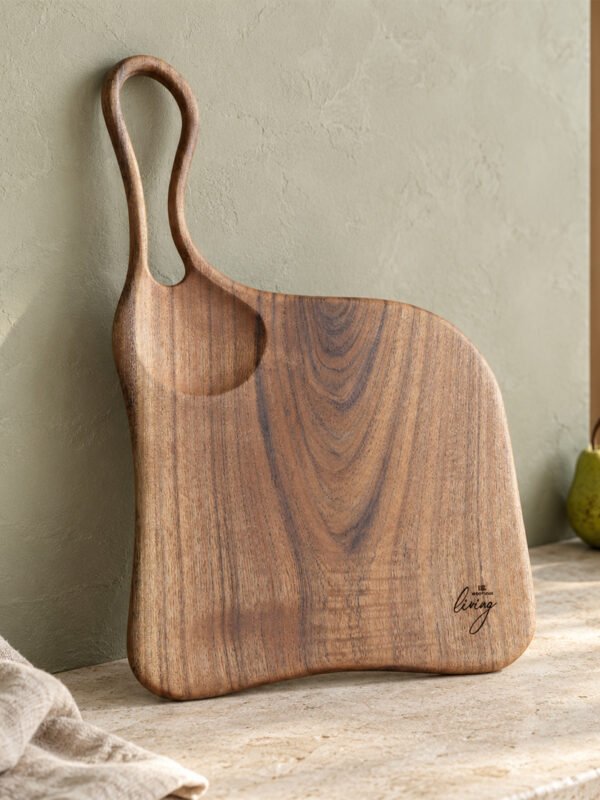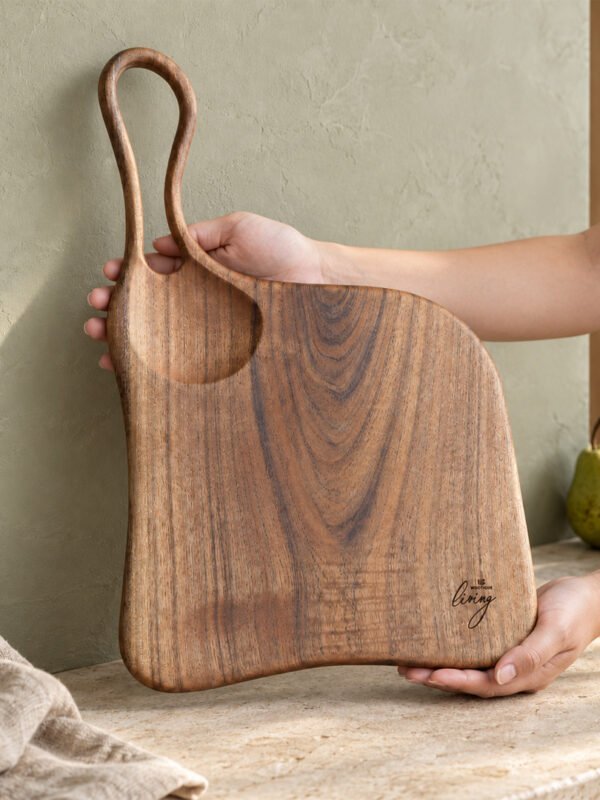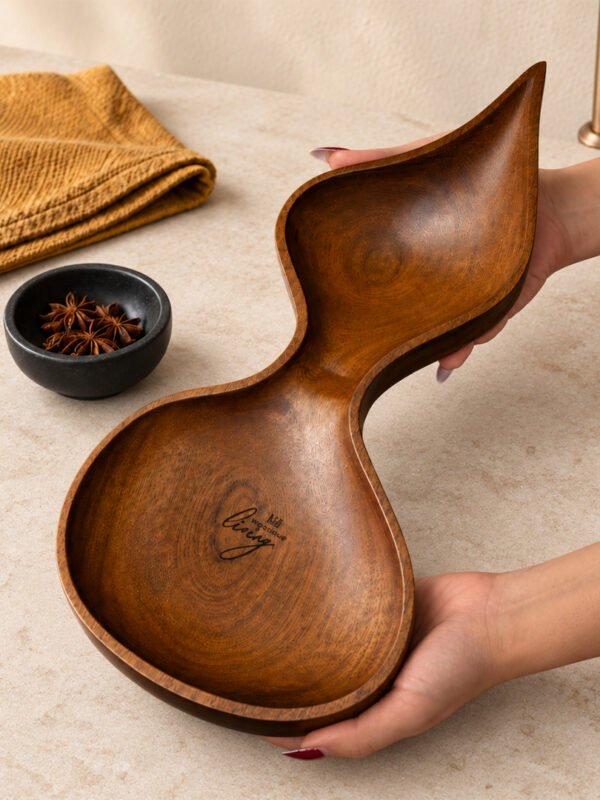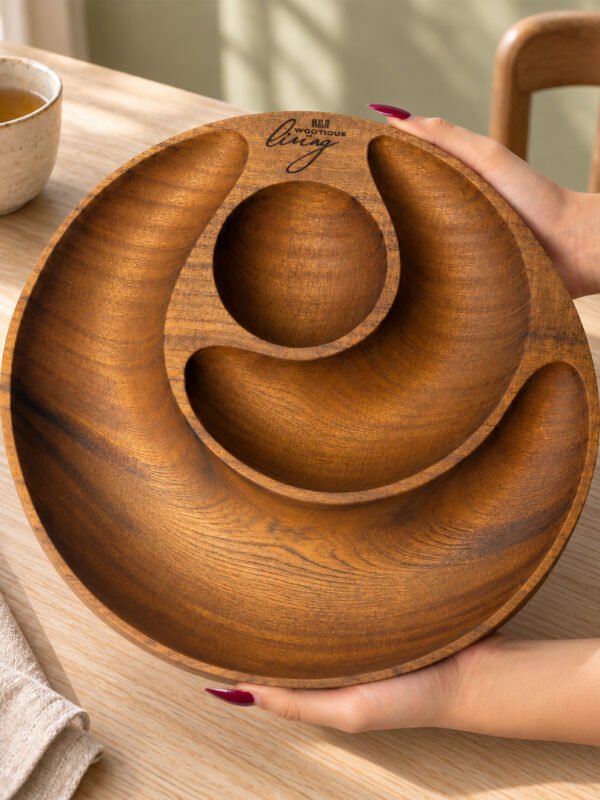
Teak is often called the gold standard for durable furniture, prized across generations for its resilience. But it isn’t the perfect fit for every home or budget, and understanding both sides helps you make an informed decision.
Why Teak Is So Popular
Naturally resistant to moisture, pests, and rot
Contains natural oils that protect it without heavy chemical treatment
Ages into a beautiful golden-brown patina over time
Extremely durable, often lasting 50+ years with minimal care
Works equally well indoors and outdoors
The Drawbacks to Consider
Premium pricing compared to oak, ash, or walnut
Heavier than most other furniture woods, affecting mobility
Sourcing responsibly harvested teak matters for sustainability
Outdoor pieces benefit from occasional oiling, though it’s optional
Supply constraints can sometimes extend production timelines
Where Teak Makes the Most Sense
Coastal homes dealing with humidity and salt air
Outdoor furniture exposed to sun and rain
Heirloom pieces meant to last multiple generations
High-traffic furniture like dining tables that see daily use
For coastal homes and outdoor furniture in particular, teak remains genuinely hard to beat. If budget allows and you want furniture that requires minimal long-term intervention, teak is worth the premium.
Frequently Asked Questions
Q: Is teak good for outdoor furniture?
A: Yes, teak is one of the few woods that performs well outdoors for decades without constant maintenance, thanks to its natural weather-resistant oils.
Q: How long does teak furniture typically last?
A: With basic care, teak furniture commonly lasts 50 years or more, and many pieces remain functional well beyond that with occasional maintenance.
Q: Does teak furniture need to be treated regularly?
A: No, treatment is optional. Untreated teak naturally weathers to a silvery-grey patina that many owners find attractive, so oiling is a choice, not a necessity.
Q: Why is teak more expensive than other woods?
A: Teak’s slow growth rate, natural durability, and high demand make it more expensive to source and process compared to faster-growing hardwoods.
Q: Is all teak furniture equally high quality?
A: No, quality varies based on the age of the tree, the cut of the wood, and craftsmanship. Older, denser teak generally performs better than young, plantation-grown teak.