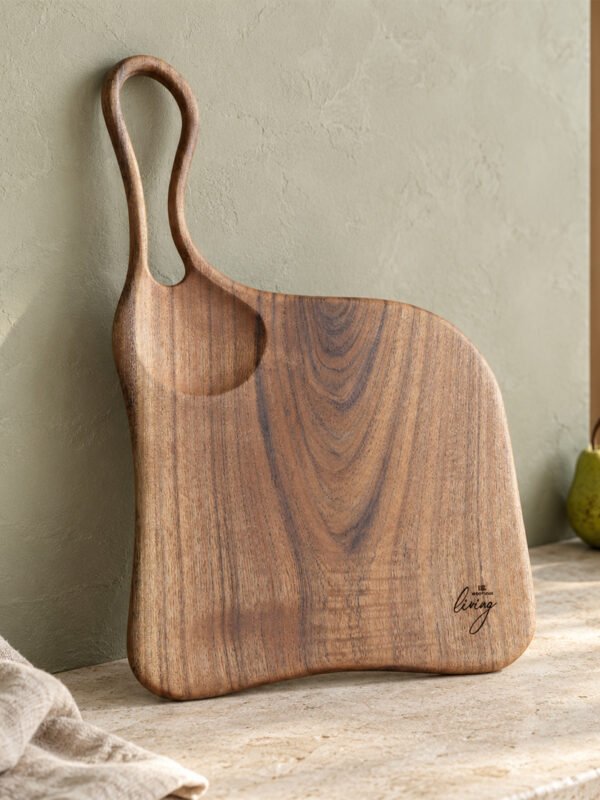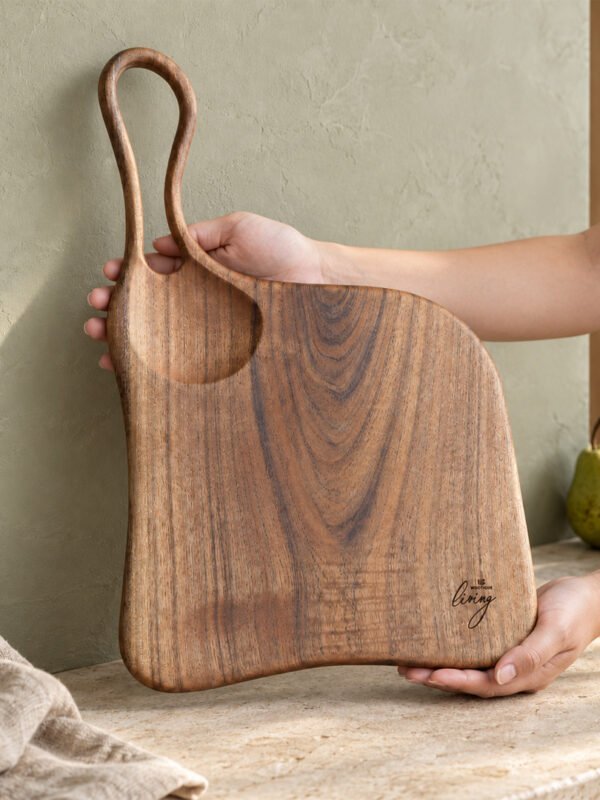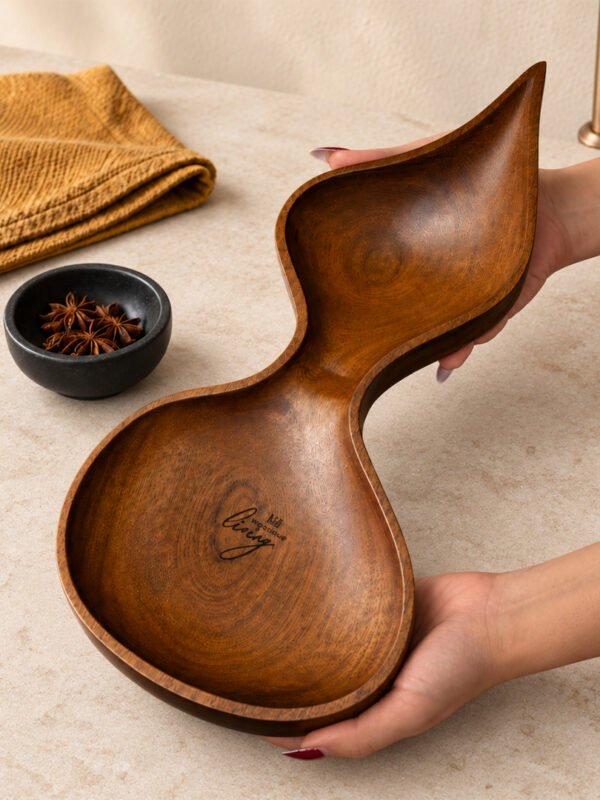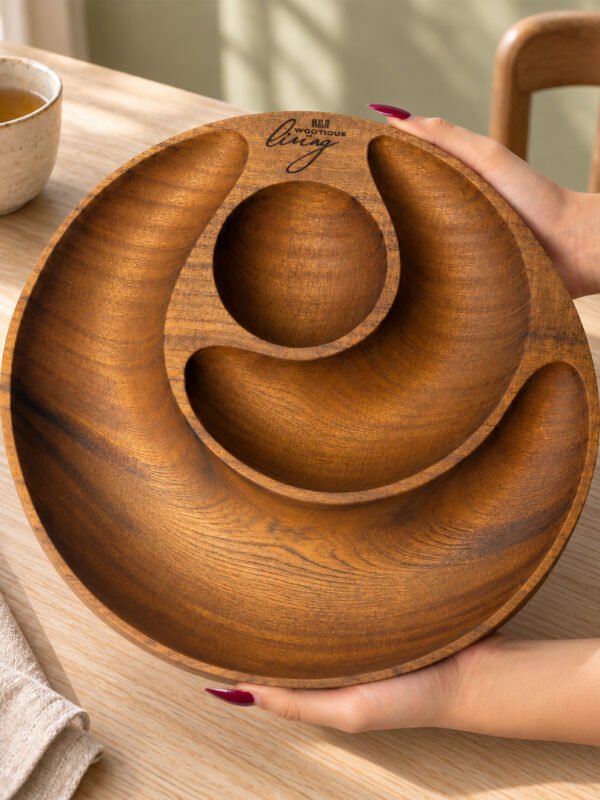
Wood grain patterns aren't just visually distinctive — they actually reveal information about the wood's structural properties and how it was cut. Understanding these patterns helps you make more informed furniture choices.
Common Grain Pattern Types
- Straight grain running parallel to the wood's length, generally the most stable
- Wavy or curly grain creating distinctive, often prized visual effects
- Interlocked grain found in certain species, affecting workability
- Burl patterns showing dramatic, swirling figure from tree growth irregularities
How Cutting Method Affects Grain Appearance
- Plain-sawn cutting reveals more dramatic, varied grain patterns
- Quarter-sawn cutting produces straighter, more uniform grain lines
- Rift-sawn cutting offers a middle ground between the two methods
- Each method also affects the wood's dimensional stability differently
What Grain Patterns Mean for Furniture
- More dramatic grain patterns often command premium pricing
- Straighter grain generally offers better dimensional stability over time
- Grain direction affects how a piece should be cared for and cleaned
- Understanding grain helps set realistic expectations for natural variation
No two pieces of solid wood furniture will have identical grain patterns, and this natural variation is genuinely part of the appeal rather than an inconsistency to be concerned about.
Frequently Asked Questions
Q: Does grain pattern affect furniture durability?
A: Cutting method affects dimensional stability somewhat, with quarter-sawn wood generally being more stable, though overall durability depends on many additional factors.
Q: Why do some wood pieces have more dramatic grain than others?
A: This depends on both the specific tree's growth pattern and the cutting method used, with plain-sawn cuts typically revealing more dramatic, varied grain.
Q: Is it normal for grain patterns to vary across a single piece of furniture?
A: Yes, this is completely normal and expected with solid wood, reflecting the natural variation inherent in the material rather than any manufacturing inconsistency.
Q: Can I request specific grain patterns for custom furniture?
A: Many makers can accommodate general preferences for grain character, though exact patterns can't be guaranteed given wood's natural, unique variation.
Q: Does grain direction matter for furniture maintenance?
A: Yes, cleaning and polishing generally should follow the grain direction for the best results and to avoid creating visible cross-grain scratches.